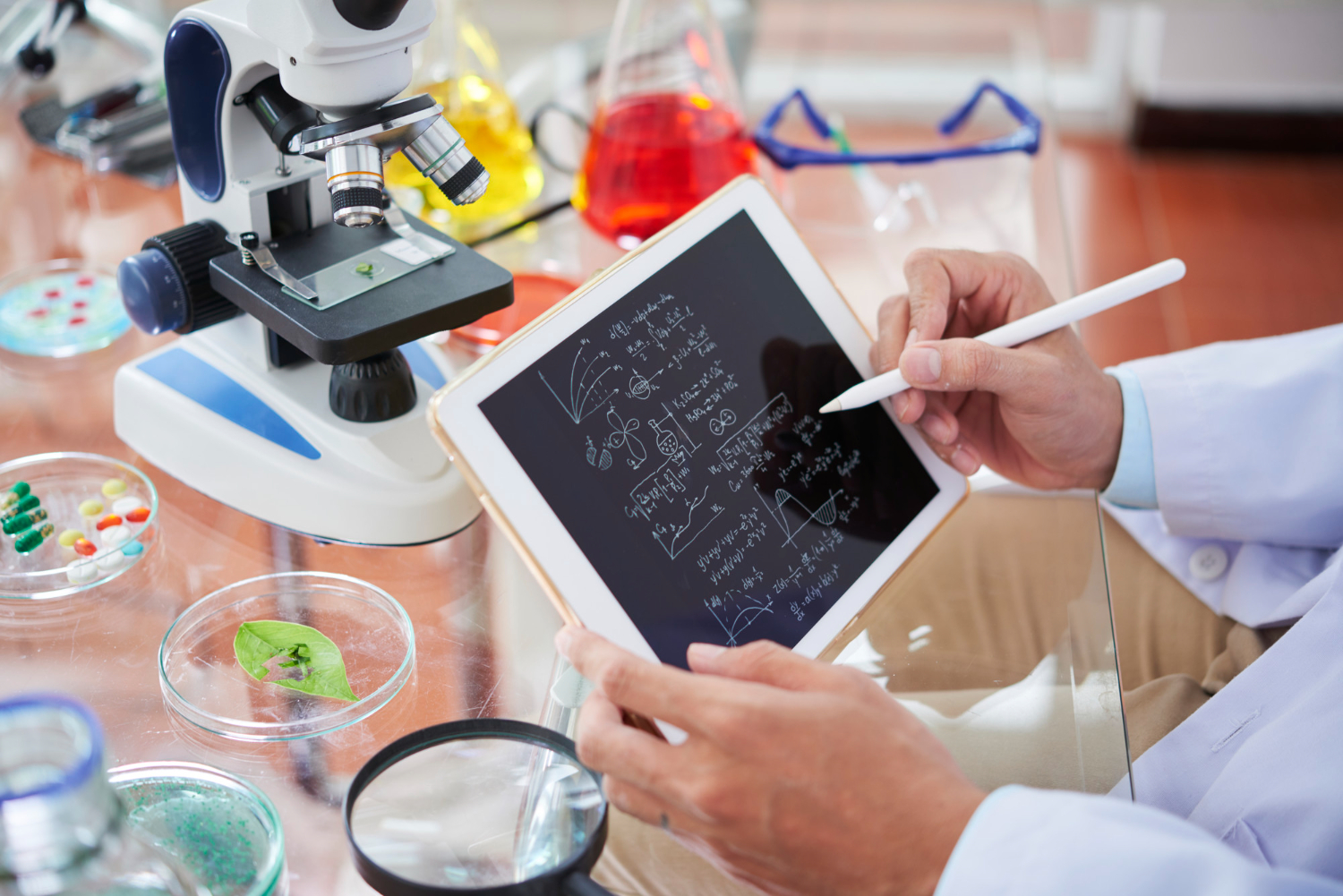
Research Design and Development
The Research, Design, and Development (RD&D) business vertical focuses on innovation, creation, and improvement of products, services, technologies, and processes across industries. This vertical includes companies and institutions that conduct scientific research, develop new technologies, design user-centric solutions, and create prototypes, often for commercial, industrial, or governmental applications. The RD&D vertical is essential in driving progress and competitiveness, particularly in sectors like technology, healthcare, engineering, consumer goods, and manufacturing.
Key Segments in the Research, Design, and Development Vertical
1. Scientific Research and Development
- Institutes, universities, and private companies conducting research in fields like medicine, biology, chemistry, and physics.
- Research centers and labs focusing on groundbreaking discoveries in areas such as biotechnology, pharmaceuticals, and environmental sciences.
2. Technology Research and Development
- Companies focused on creating new technologies in areas like software, hardware, artificial intelligence (AI), robotics, and cybersecurity.
- Often includes tech firms, startups, and innovation hubs developing tools and software to drive digital transformation.
3. Product Design and Prototyping
- Companies and design agencies focusing on creating, testing, and refining product ideas.
- Prototyping and iterative design allow for user feedback and functional testing before launching products to the market.
4. Industrial and Manufacturing R&D
- Research centers developing materials, production methods, and processes for industries like automotive, aerospace, and electronics.
- Innovations in manufacturing processes (e.g., automation, 3D printing) to increase efficiency, reduce costs, and improve product quality.
5. Engineering and Applied Research
- Engineering firms conducting applied research to solve practical problems in fields like civil, electrical, mechanical, and chemical engineering.
- Development of infrastructure, renewable energy solutions, and other engineering advancements that support sustainable growth.
6. Healthcare and Pharmaceutical R&D
- Pharmaceutical companies and biotech firms developing new drugs, treatments, and medical devices.
- Includes clinical trials, regulatory approval processes, and advancements in diagnostics and patient care.
7. Design Thinking and Human-Centered Design
- Design firms and consulting companies using design thinking methodologies to create solutions centered around user needs.
- Often applied in consumer product design, software development, and service design, emphasizing usability and customer experience.
8. Automotive and Transportation Innovation
- R&D for vehicle design, alternative energy vehicles, autonomous driving, and improved transportation safety.
- Advances in electric vehicles, battery technology, and smart transportation systems for sustainable mobility.
9. Agriculture and Environmental Research
- Development of sustainable farming practices, agricultural technologies, and environmental conservation methods.
- Includes precision farming, climate adaptation research, and innovations to increase food production efficiency.
10. Government and Military R&D
- Defense and government agencies investing in research for national security, aerospace, and public safety technologies.
- Often includes classified research and cutting-edge technology developments in areas like cybersecurity, space, and communication.
Key Features of the Research, Design, and Development Vertical
1. Innovation and Experimentation
- Emphasis on exploring new ideas, technologies, and materials to drive industry progress and meet market demands.
- Experimentation is essential, with risk-taking and iterative development processes that encourage creativity and breakthrough discoveries.
2. Interdisciplinary Collaboration
- Collaborative efforts between scientists, engineers, designers, and industry experts to combine knowledge and skills.
- Partnerships between academia, private companies, and government agencies to accelerate research and share insights.
3. User-Centered Design and Prototyping
- Prioritization of design methodologies that focus on the end user’s experience, preferences, and needs.
- Rapid prototyping and iterative testing allow for continuous feedback and refinement, ensuring that products are functional and user-friendly.
4. Data-Driven Research and Analytics
- Use of big data, AI, and machine learning to analyze trends, understand customer preferences, and predict future needs.
- Data analytics support evidence-based decisions in both the research and design phases, helping to optimize R&D investments.
5. Focus on Sustainability and Eco-Friendly Innovations
- Development of sustainable products, materials, and processes to reduce environmental impact.
- Research in renewable energy, recyclable materials, and low-carbon processes reflects growing industry commitment to sustainability.
6. Regulatory Compliance and Standards Adherence
- Adherence to industry-specific regulations and standards, particularly in pharmaceuticals, automotive, and healthcare.
- Compliance ensures safety, quality, and market acceptance, often involving extensive testing and certification.
7. Funding and Investment in Innovation
- Significant funding from both public and private sectors, including government grants, venture capital, and R&D tax incentives.
- Investment in R&D helps companies maintain a competitive edge and leads to commercialized, market-ready innovations.
8. Agility and Flexibility in Development
- Ability to quickly adapt research and development efforts based on market needs, technological advances, or regulatory changes.
- Agile methodologies in software and product design allow teams to respond to feedback and pivot when necessary.
9. Intellectual Property (IP) Protection
- Patent filing, trademarks, and IP strategies are essential for protecting new inventions and designs.
- IP rights help organizations safeguard their innovations, creating revenue opportunities through licensing or commercialization.
10. Advanced Technology Integration
- Cutting-edge technologies like AI, 3D printing, IoT, and virtual reality are often integrated into research and design.
- These technologies support more efficient processes, improved design accuracy, and faster time-to-market for innovations.
11. Focus on Commercialization and Market Viability
- R&D teams focus on ensuring that innovations are commercially viable, with a clear pathway from concept to market.
- Consideration of market demand, scalability, and cost efficiency helps ensure that projects lead to profitable products or services.
12. Long-Term Research and Development Cycles
- Many R&D initiatives involve long timelines, particularly in fields like medicine, aerospace, and industrial manufacturing.
- While time-intensive, these projects often result in substantial advancements and industry-changing innovations.
The Research, Design, and Development vertical is essential for driving innovation, economic growth, and technological advancement. By focusing on user-centered design, sustainability, and interdisciplinary collaboration, this vertical helps create products, services, and processes that enhance efficiency, address market demands, and improve quality of life across various industries.
Popular Services
Education and Skills
The Education and Skills business vertical encompasses businesses focused on learning, training, and skill development across a wide range of age groups, industries, and specializations.
Finance , Trade and Market
The Finance, Trade, and Market business vertical encompasses a wide range of industries that facilitate the flow of capital, goods, and services across markets. This vertical includes financial services.