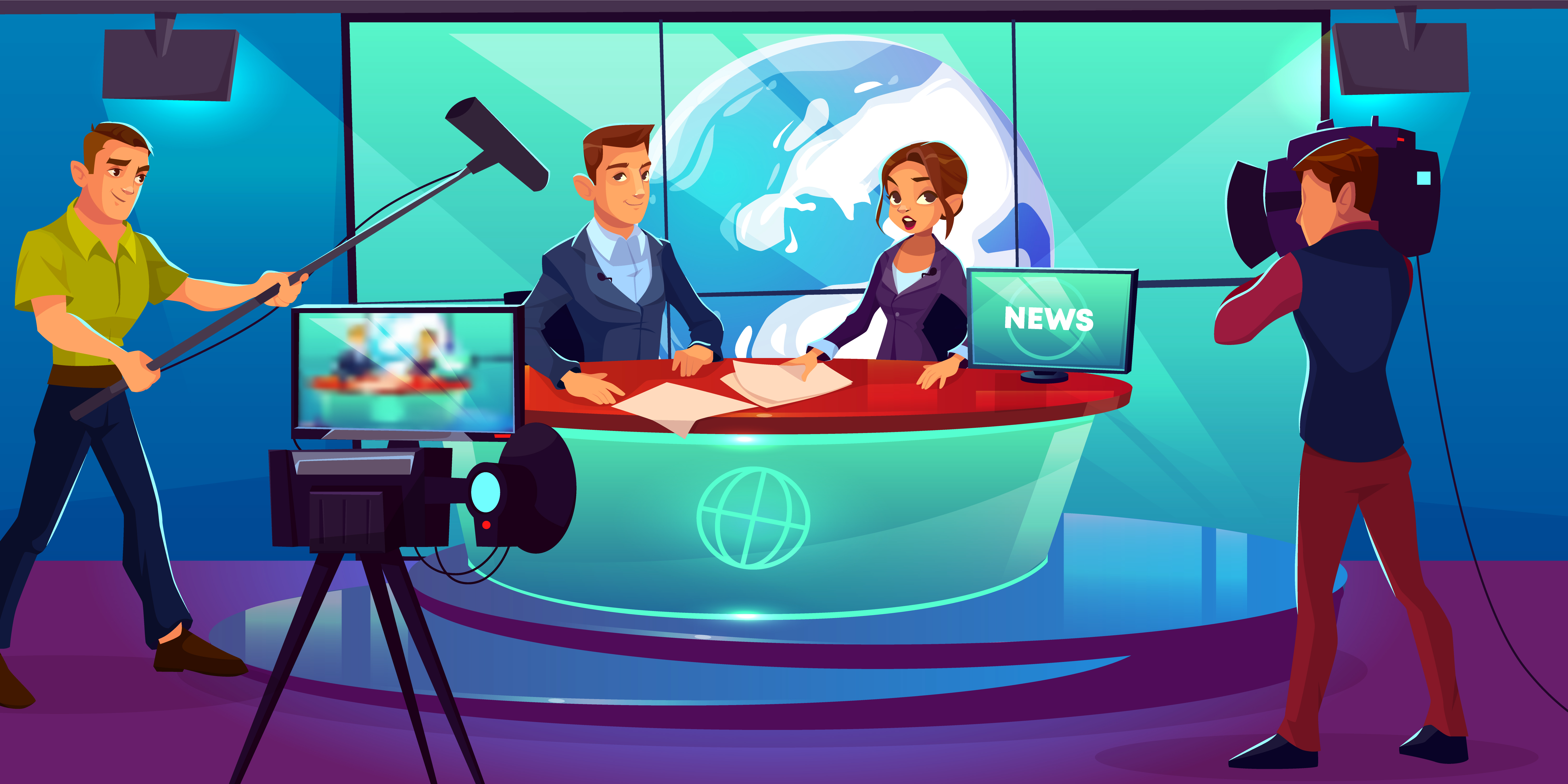
Entertainment & Broadcast
The Entertainment and Broadcast business vertical is a dynamic industry that spans television, film, music, gaming, digital content, and live events. This vertical is driven by the demand for engaging, innovative content across multiple platforms and formats. Companies within this sector focus on content creation, distribution, and monetization, catering to a global audience with diverse entertainment preferences.
Key Segments in the Entertainment and Broadcast Vertical
1. Television Broadcasting
- Traditional broadcast networks and cable channels, providing news, shows, and live events to large audiences.
- Includes both public and private broadcasters, with a growing shift towards digital and on-demand viewing.
2. Film and Cinema
- Production studios and independent filmmakers creating movies for cinema and digital distribution.
- Includes both major studios and streaming platforms, with theatrical releases, digital rentals, and direct-to-streaming becoming popular.
3. Streaming Services and OTT Platforms
- Over-the-top (OTT) platforms like Netflix, Disney+, and Amazon Prime, offering on-demand content through subscription models.
- Original series, films, and exclusive content have become key differentiators for these services.
4. Music and Audio Streaming
- Digital music services such as Spotify, Apple Music, and Amazon Music, offering streaming, playlists, and curated content.
- Growth in podcasting, live audio, and interactive formats that engage listeners through personalized experiences.
5. Video Gaming and Interactive Entertainment
- Video game developers, publishers, and platforms providing console, PC, and mobile games.
- Includes live-streaming platforms, e-sports, and virtual reality (VR) games, merging entertainment with immersive experiences.
6. Live Events and Performances
- Concerts, theater productions, sports events, and comedy shows offered live, with streaming and hybrid formats for wider reach.
- Virtual concerts and interactive performances have gained popularity, especially with global access to streaming.
7. Radio and Broadcast Media
- Radio stations, talk shows, and news broadcasts catering to both local and global audiences.
- Expanding into digital formats, podcasts, and live-streamed audio content for enhanced accessibility.
8. Advertising and Media Agencies
- Companies specializing in content monetization through ads, sponsorships, and branded content across TV, radio, and online platforms.
- Influencer marketing, digital ads, and programmatic advertising are driving new revenue streams in the industry.
9. Content Creation and Digital Influencers
- Independent content creators on platforms like YouTube, TikTok, and Instagram, building personal brands and monetizing content.
- Brand partnerships and sponsored content are significant income sources for creators.
10. Interactive and Immersive Media
- Development of AR, VR, and AI-driven content that offers interactive and immersive experiences.
- New formats are creating innovative entertainment, such as VR concerts, 360-degree films, and interactive games.
Key Features of the Entertainment and Broadcast Vertical
1. Multi-Platform Content Distribution
- Content is distributed across multiple platforms, including TV, cinema, mobile, and digital streaming.
- Viewers access content through both traditional channels and digital apps, increasing flexibility and convenience.
2. Personalized and On-Demand Content
- AI-driven algorithms recommend content based on viewer preferences, enabling a highly personalized entertainment experience.
- On-demand options allow audiences to access shows, music, and games at their convenience, rather than following broadcast schedules.
3. Original Content and Exclusive Programming
- High demand for original series, films, and music drives platforms to produce exclusive content.
- Original productions and proprietary formats distinguish services and attract loyal audiences.
4. Live and Interactive Experiences
- Interactive elements, such as real-time voting, social media integration, and live comments, foster audience engagement.
- Virtual events, live-streamed concerts, and e-sports competitions bring audiences closer to live experiences even remotely.
5. Global Reach and Localization
- Content is localized with subtitles, dubbing, and region-specific adaptations to appeal to diverse global audiences.
- Regional programming and multicultural content help reach new markets and adapt to varied cultural preferences.
6. Subscription and Freemium Models
- Subscriptions for ad-free access and premium content have become the standard revenue model for many streaming platforms.
- Freemium models (ad-supported free access with an option to pay for premium features) are popular in gaming and audio streaming.
7. Monetization through Ads and Sponsorship
- Digital advertising, brand partnerships, and in-app purchases are crucial for revenue generation.
- Programmatic ads, influencer marketing, and branded content provide targeted monetization strategies.
8. Community Building and Fan Engagement
- Platforms encourage fan communities with social media, live chats, and discussion boards to enhance viewer loyalty.
- Gaming communities, fandoms, and social groups interact with each other, fostering deeper audience relationships.
9. Focus on Diversity and Inclusion
- Increased emphasis on creating inclusive, diverse content that represents a range of cultures, identities, and voices.
- Content and casting choices reflect a commitment to inclusivity, broadening the appeal and relevance of entertainment offerings.
10. Integration of Advanced Technology (AR, VR, AI)
- Advanced technologies enhance viewer experience, such as VR concerts, AR experiences in gaming, and AI-driven content recommendations.
- Innovations like 3D sound, augmented reality, and AI help create immersive storytelling and engaging visual experiences.
11. Data-Driven Insights and Analytics
- Real-time data collection and analytics help content providers understand audience preferences, driving strategic content creation.
- Analytics also enable targeted advertising, content recommendations, and optimized user experiences.
12. Enhanced Production Quality and Special Effects
- High-quality visual effects, CGI, and sound design are prioritized to create cinematic and immersive experiences.
- Technology advancements have raised viewer expectations, pushing companies to invest in high-quality production.
The Research, Design, and Development vertical is essential for driving innovation, economic growth, and technological advancement. By focusing on user-centered design, sustainability, and interdisciplinary collaboration, this vertical helps create products, services, and processes that enhance efficiency, address market demands, and improve quality of life across various industries.
Popular Services
Education and Skills
The Education and Skills business vertical encompasses businesses focused on learning, training, and skill development across a wide range of age groups, industries, and specializations.
Finance , Trade and Market
The Finance, Trade, and Market business vertical encompasses a wide range of industries that facilitate the flow of capital, goods, and services across markets. This vertical includes financial services.